 Novin Absar
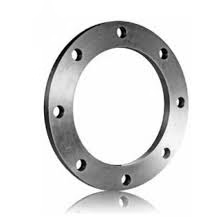
Iron Flange Ring 8 mm
Iron Flange Ring
Whenever flanges are used in polyethylene pipe systems, an iron flange ring must also be used. In fact, rings and flanges are commonly used in piping systems. These rings are installed at the ends of the pipes before the flange. The ring and flange are then connected using bolts and nuts. These products are manufactured in different thicknesses and with both cold-dip and hot-dip galvanized coatings. Their selection depends on whether the project environment is wet or dry. Therefore, the type of environment is an important factor when selecting the appropriate ring and flange.
Advantages of Iron Flange Rings
- Because iron flange rings are galvanized, they offer high resistance to chemicals, and contact with these substances does not easily damage the ring.
- These rings are resistant to abrasion, wear, corrosion, and rust.
- They are highly durable and strong against pressure and impacts that may be applied to them.
- Due to these characteristics, iron flange rings have a long service life and can maintain their functionality for many years.
- Flanges and flange rings are widely used in the polyethylene industry because they are used to connect flanges to polyethylene pipes. Polyethylene pipes are commonly connected by butt fusion, flange-and-ring connections, or mechanical threaded fittings. Other methods, such as electrofusion, are also available; however, because of their higher installation costs, they are less commonly used by industry professionals. Among the available methods, connecting pipes using flanges and flange rings is considered one of the most practical and cost-effective solutions.
An iron flange ring is one of the important fittings used in liquid transmission and distribution networks.
Related products