 Novin Absar
Cast iron valves
Cast-Iron Valve for Valve Chambers (Handwheel-Operated)
From $13.59 / piece In stock
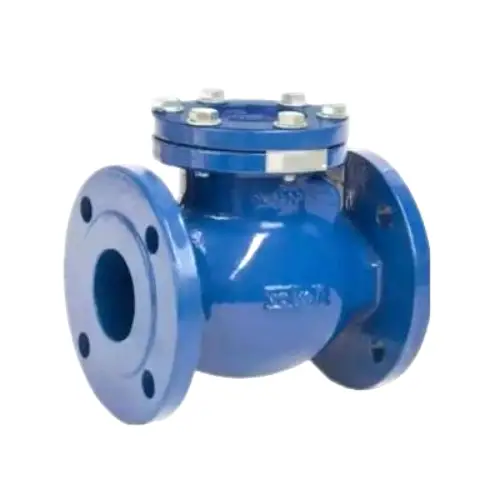
A cast iron check valve is an important component in industrial piping systems, building services, and water transmission networks. Designed to prevent reverse fluid flow, it operates automatically. Using a cast iron check valve improves system safety, protects pumps, and helps prevent damage to transmission lines.
Writing
A cast iron check valve is an important component in industrial piping systems, building services, and water transmission networks. Designed to prevent reverse fluid flow, it operates automatically. Using a cast iron check valve improves system safety, protects pumps, and helps prevent damage to transmission lines.
A cast iron check valve operates based on the pressure differential of the fluid. When the fluid flows in the correct direction, its pressure opens the flow path. If the pressure drops or the flow reverses, the valve disc closes to prevent the fluid from flowing back.
These valves are manufactured in different designs to suit their intended applications:
Thanks to its durable body and robust construction, a cast iron check valve is used in many industrial projects. Its key benefits include:
This product is used across a range of industries. Common applications include water pumping stations, water treatment plants, municipal water supply systems, boiler rooms, agricultural industries, and industrial facilities.
When buying a cast iron check valve, consider factors such as connection size, operating pressure, body material, fluid type, manufacturing standard, and sealing quality. Selecting a product suited to the system’s operating conditions can improve performance and safety.
In short, purchasing a high-quality cast iron check valve can play an important role in improving the efficiency of fluid transmission systems and avoiding unnecessary costs.